
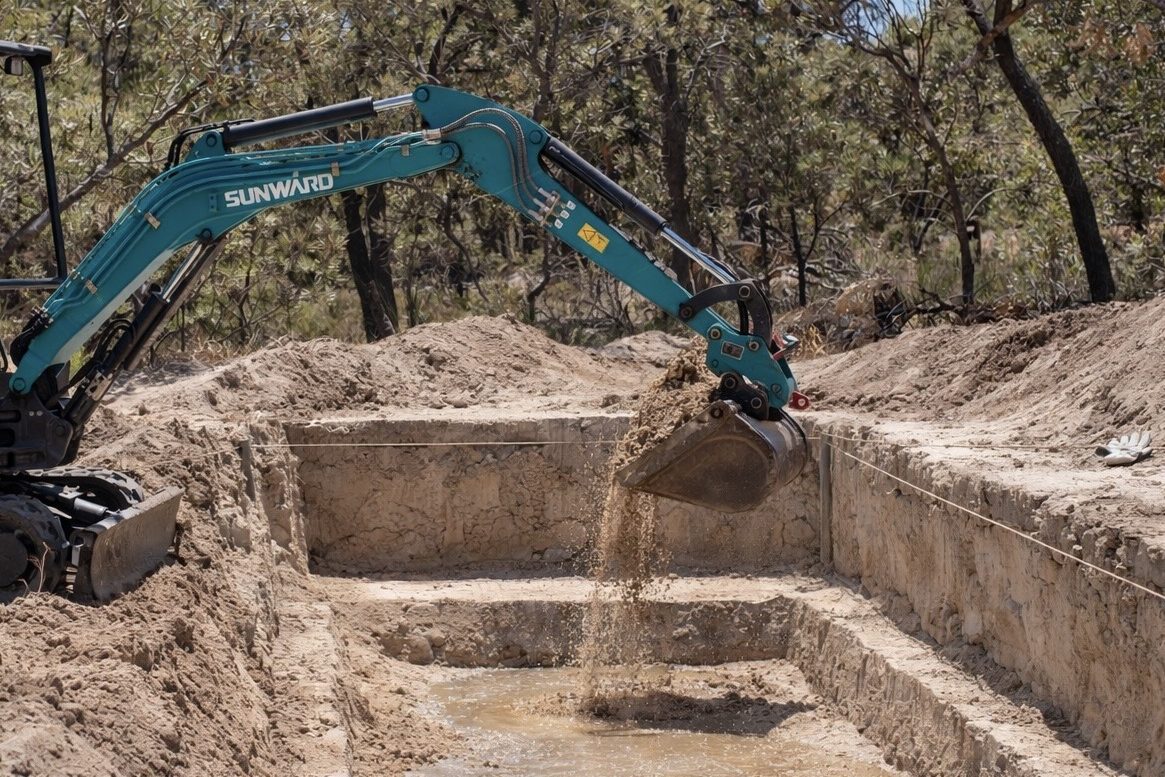
Creating a pool, pond or dam on your property can transform how you use your outdoor space. Whether it’s for relaxation, landscaping or practical water storage, excavation is the first and most important stage of the project. Pool excavation Perth projects require careful planning, the right equipment and a clear understanding of the ground conditions before digging begins.
Excavation sets the foundation for everything that follows. If the ground preparation isn’t completed properly, it can lead to drainage issues, unstable ground, delays in construction or increased costs later in the project. Taking the time to understand the key factors involved before starting excavation can help ensure the process runs smoothly from the beginning.
Below are some of the most important things property owners should consider before starting a pool, pond or dam excavation project.
Understanding the Purpose of the Excavation
Before any excavation begins, it’s important to clearly define the purpose of the project. Pools, ponds and dams may all involve digging into the ground, but the requirements for each are very different.
A swimming pool is typically designed as a recreational feature and must meet strict construction and safety standards. Ponds and swimmable dams, on the other hand, are often designed as landscaping features that integrate into the natural environment. Farm dams are generally larger and focus on water storage, irrigation or property management.
Understanding the intended use will help determine the size, depth, location and excavation method required. Contractors experienced in pool excavation Perth projects will often work closely with builders, landscapers or property owners to ensure the excavation matches the design and structural requirements of the finished feature.
Assessing the Ground Conditions
One of the biggest factors affecting any excavation project is the type of soil and ground conditions on the property. Different soil types behave differently when excavated, and understanding these conditions early can help prevent problems during construction.
Common soil types found across Perth and surrounding regions include sandy soils, clay-based soils and rocky ground. Sandy soil can shift more easily and may require additional structural support, while clay can hold water and affect drainage. In some areas, rock layers may also be present beneath the surface, requiring specialised equipment to remove.
When planning pool excavation Perth projects, experienced operators will assess the ground conditions to determine the safest and most efficient excavation approach. This helps ensure the final shape and depth of the excavation remain stable and suitable for the structure that will be installed.
Choosing the Right Location
The location of the pool, pond or dam plays a major role in the success of the project. While it may seem simple to select a flat area of land, there are several factors that should be considered before excavation begins.
Drainage is particularly important. Water should naturally flow away from structures and not collect around the excavation area. Poor drainage can lead to water pooling around the edges, which may weaken the surrounding ground over time.
Access for machinery is another key factor. Excavation equipment needs adequate space to safely enter, operate and remove soil from the site. Planning access routes early ensures the excavation can be completed efficiently without damaging other parts of the property.
Professional contractors who regularly handle pool excavation Perth work will often inspect the site beforehand to recommend the most suitable location based on ground conditions, accessibility and overall project requirements.
Considering Underground Services
Before digging begins, it’s essential to identify any underground services running through the property. Electrical mains, water pipes, drainage lines and communication cables can all exist below ground level and must be located before excavation begins.
Striking underground services during excavation can cause serious safety hazards and costly repairs. This is why experienced operators will typically check service plans or coordinate with relevant utility providers to confirm the location of underground infrastructure.
In residential areas especially, pool excavation Perth work often takes place near existing services installed during the original property development. Taking the time to identify these services ensures excavation can proceed safely and without unexpected interruptions.
Planning for Soil Removal and Site Management
Excavation naturally produces large volumes of soil that must be managed throughout the project. Depending on the size of the pool, pond or dam, several truckloads of material may need to be removed from the site.
In some cases, excavated soil can be reused elsewhere on the property for landscaping, levelling or building up garden areas. If the soil is not required, it may need to be transported and disposed of at an appropriate facility.
Planning how this material will be handled ahead of time helps keep the project organised and prevents unnecessary delays. Contractors experienced in pool excavation Perth projects will usually discuss soil removal options with property owners before excavation begins.
Ensuring the Correct Depth and Shape
Accuracy is essential when excavating pools, ponds and dams. The depth and shape of the excavation must match the construction plans so that the final structure fits correctly and functions as intended.
For swimming pools, precise depth measurements are required to ensure the pool shell or structural formwork can be installed correctly. Uneven excavation can create structural stress or lead to additional costs when adjustments are required.
Ponds and dams may involve more natural shapes, but they still require careful grading to ensure water levels remain stable and edges are safe and accessible. Skilled operators working on pool excavation Perth projects use specialised equipment to maintain accuracy throughout the excavation process.
Considering Drainage and Water Management
Water management is another important factor when planning excavation work. Groundwater, rainfall or natural runoff can affect excavation sites, particularly during deeper digging.
For pools, proper drainage helps prevent water pressure building around the pool structure after installation. Ponds and dams also require careful grading to control how water enters and exits the feature.
In some cases, drainage channels or additional excavation may be required to manage water flow effectively. Contractors familiar with pool excavation Perth work will consider these factors during the planning stage to help prevent issues later in the project.
Working with Experienced Excavation Professionals
Excavation may appear straightforward, but it requires experience, planning and the right machinery to complete safely and efficiently. Professional operators understand how to assess soil conditions, maintain precise excavation depths and manage the site throughout the project.
Using experienced contractors also helps ensure the excavation meets the requirements of builders, landscapers or engineers involved in the project. This coordination is especially important for swimming pools, where accurate groundwork is essential before installation begins.
By working with professionals who regularly complete pool excavation Perth projects, property owners can have confidence that the excavation will be carried out correctly and that the site will be ready for the next stage of construction.
Preparing for the Next Stage of the Project
Once excavation is complete, the site must be prepared for the next stage of construction. For swimming pools, this may involve installing the pool shell, reinforcing steel or formwork before concrete is poured. For ponds and dams, lining materials or landscaping features may be installed.
Proper excavation ensures these stages can proceed without complications. When the groundwork is completed correctly, builders and landscapers can move forward with their work knowing the foundation has been prepared properly.
Planning ahead and working with experienced excavation contractors ensures the project runs efficiently from the first dig through to the finished result.
Final Thoughts
Pools, ponds and dams can add significant value and enjoyment to a property, but the success of the project depends heavily on the quality of the excavation work completed at the beginning. Careful planning, site assessment and professional excavation help ensure the ground is prepared correctly for the structure that will follow.
From assessing soil conditions and choosing the right location to managing soil removal and underground services, there are many factors that should be considered before digging begins. Taking the time to plan these elements helps prevent costly issues and keeps the project on track.
For property owners considering a pool, pond or dam installation, working with experienced contractors who specialise in pool excavation Perth projects can make the entire process far more straightforward. With the right preparation and expertise, excavation provides the solid foundation needed to turn a design idea into a successful outdoor feature.