
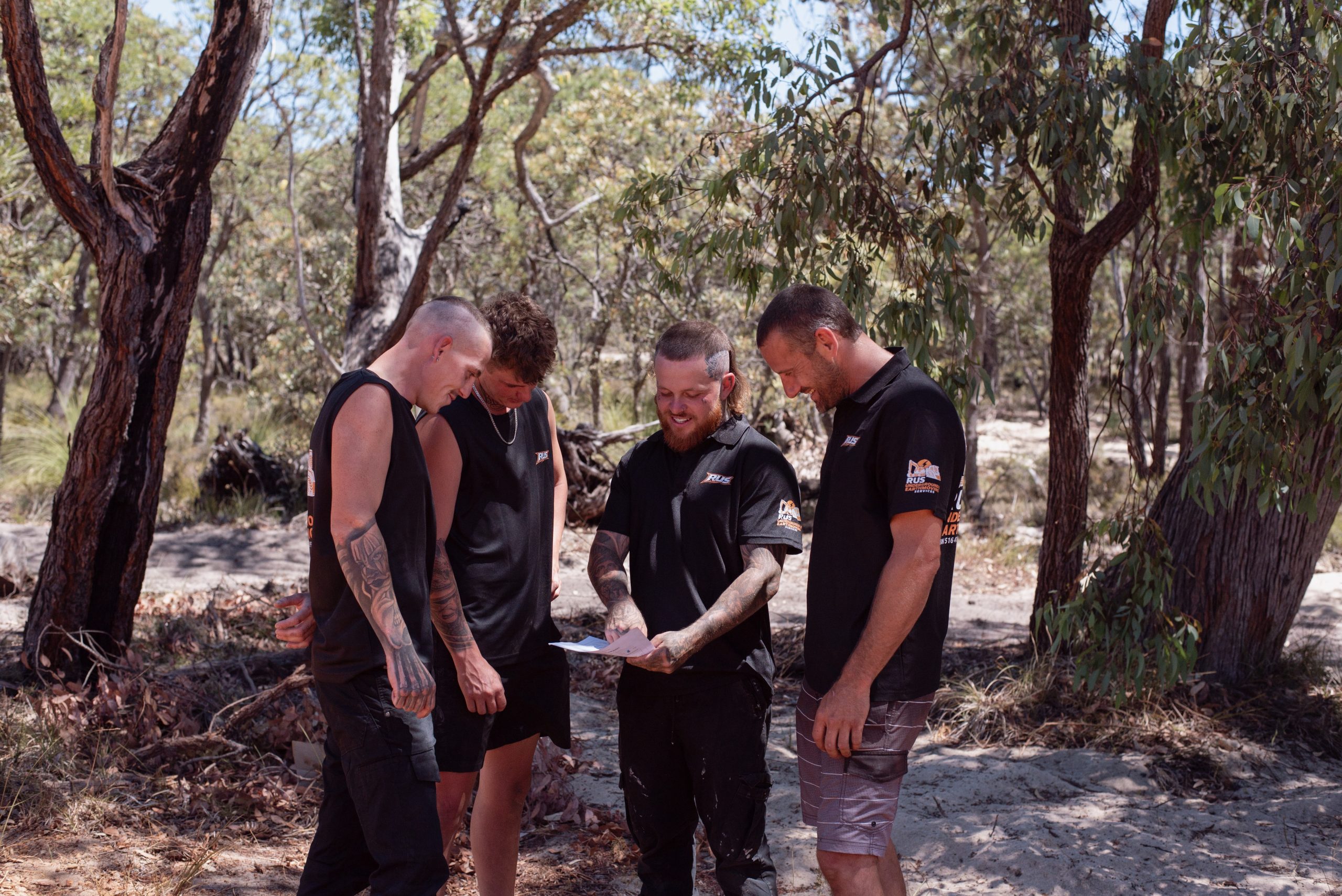
Understanding firebreak requirements in WA is one of the most important responsibilities for property owners in Western Australia — particularly those in rural, semi-rural, or bushfire-prone areas around Perth. Every year, thousands of property owners across the state are legally required to construct and maintain firebreaks on their land, and failing to comply can result in fines, liability exposure, and serious risk to life and property.
This guide covers everything you need to know about firebreak obligations in WA — who needs them, what the standards are, when they’re due, and how to get yours done properly.
What Is a Firebreak and Why Is It Required?
A firebreak is a cleared strip of land from which all flammable material has been removed down to bare soil. Its purpose is to slow or stop the spread of bushfire across a property, providing a defensible line between vegetation and structures.
In Western Australia, firebreak requirements in WA are primarily regulated by local councils (through local laws) and the Department of Fire and Emergency Services (DFES). Requirements vary by local government area, but the underlying objective is consistent: reduce the risk of fire spreading across properties and protect lives, homes, and livestock.
Who Needs a Firebreak in Western Australia?
Firebreak obligations typically apply to:
- Rural and semi-rural landowners in designated bushfire-prone areas
- Properties above a certain land size (this varies by local government area — often 1 hectare or more)
- Landowners in areas within designated Fire Weather Districts
It is the landowner’s responsibility to check with their specific local council to understand their exact obligations. Councils such as the Shire of Serpentine-Jarrahdale, Shire of Mundaring, City of Swan, and others each publish annual firebreak notices that outline when firebreaks must be completed and the specific standards required.
When Must Firebreaks Be Completed?
The timing of firebreak requirements in WA is tied to the fire season. Most local governments in the Perth metropolitan and surrounding regions require firebreaks to be completed by 1 November each year, ahead of the summer fire danger period. Some shires may require earlier completion.
Annual firebreak notices are typically issued by councils in September or October, so property owners should be proactive about scheduling clearing and preparation work well in advance. Waiting until late October to organise a contractor often means limited availability and rushed timelines — particularly during busy fire season preparation periods.
What Are the Standard Firebreak Specifications?
While specifics vary by local government, standard firebreak requirements in WA typically include:
- Width: Firebreaks are generally required to be a minimum of 3 metres wide, though many councils require 4 metres or more for properties with heavier vegetation.
- Clearance: All flammable material must be removed to bare soil. This includes grass, shrubs, leaf litter, fallen timber, and woody debris.
- Location: Firebreaks are generally required along the perimeter of the property (inside boundary fences), around buildings, and in some cases along laneways or rights of way.
- Maintenance: Firebreaks must be maintained throughout the fire season — vegetation that regrows must be re-cleared.
Some councils also have requirements around the construction of Asset Protection Zones (APZs) around homes, which involve reducing fuel loads within a designated distance of structures. Your local council firebreak notice will outline these requirements in detail.
What Happens If You Don’t Comply?
Non-compliance with firebreak requirements in WA is a serious matter. Under the Bush Fires Act 1954, local authorities have the power to:
- Issue infringement notices and fines to non-compliant landowners
- Enter the property and construct the firebreak themselves, charging the costs back to the landowner
- In the event of a bushfire, pursue the landowner for damages if non-compliance contributed to fire spread
Beyond the legal consequences, non-compliance puts your property, your neighbours, and potentially the broader community at risk. It’s simply not worth it.
How Are Firebreaks Constructed?
Constructing a compliant firebreak involves more than just brushing away surface debris. Depending on your land type and vegetation density, it may require:
- Slashing and mulching of grass and low-lying vegetation
- Grading or blading to expose bare earth using a bulldozer or grader
- Removal of stumps and root systems in areas with established trees or shrubs
- Re-grading of the surface to ensure adequate drainage and minimal erosion
For most rural and semi-rural properties around Perth, proper firebreak construction requires earthmoving equipment and an experienced operator. This is not a job that can typically be completed with a domestic lawnmower or small brush cutter.
Professional Firebreak Services Across Perth and the Hills
RUS Underground & Earthmoving provides professional firebreak construction and maintenance services for rural and acreage properties across Perth and the surrounding regions, including the Perth Hills, Serpentine-Jarrahdale, Mundaring, Swan Valley, and beyond.
We understand the local firebreak requirements in WA and work with property owners to ensure their land is compliant before the fire season arrives. Our services include vegetation clearing, grading to bare soil, and firebreak construction across all terrain types — from flat open paddocks to steep, bush-covered hillsides.
Don’t leave firebreak preparation to the last minute. Book early to ensure your property is compliant, protected, and ready before the fire season begins.
──────────────────────────────────────────────
Ready to get started? Contact RUS Underground & Earthmoving today for a free, no-obligation quote.
Call: 0429 117 559 | rus-wa.com.au